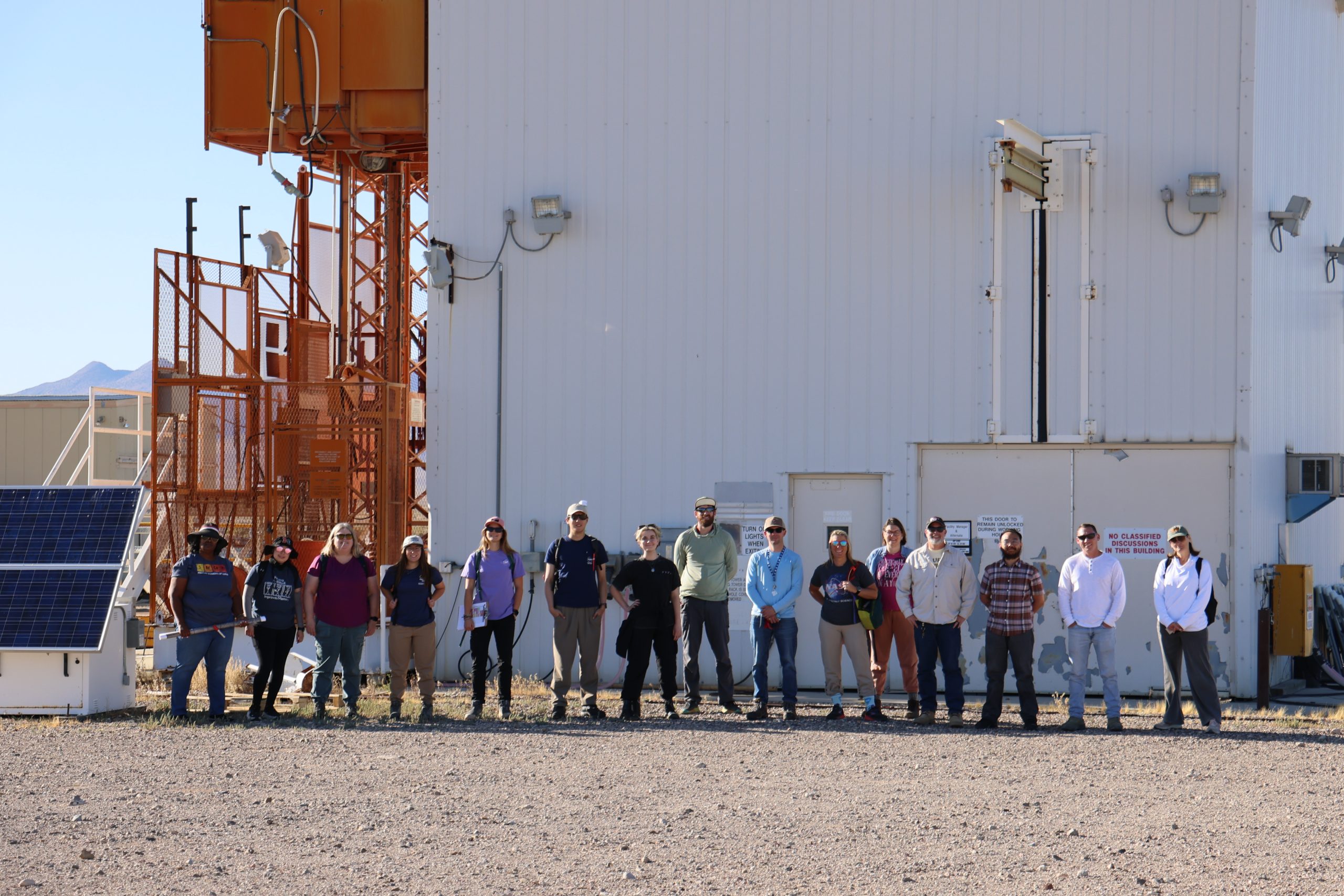
Before NASA’s elite astronauts make their historic return to the moon in 2028, they train in the rugged terrain of the Nevada desert. Recently, a select group of educators and students got to step directly into those very same astronaut boots.
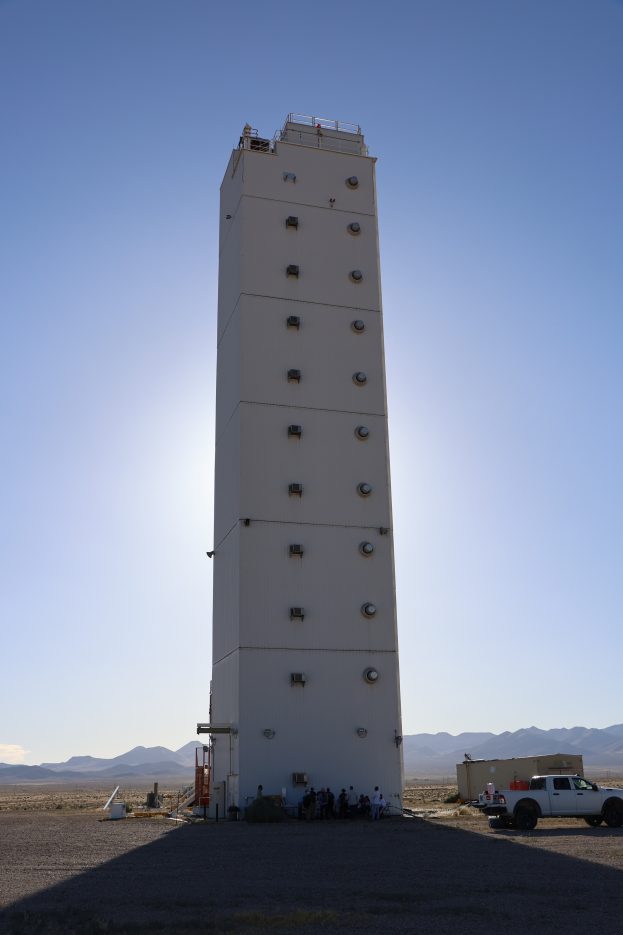
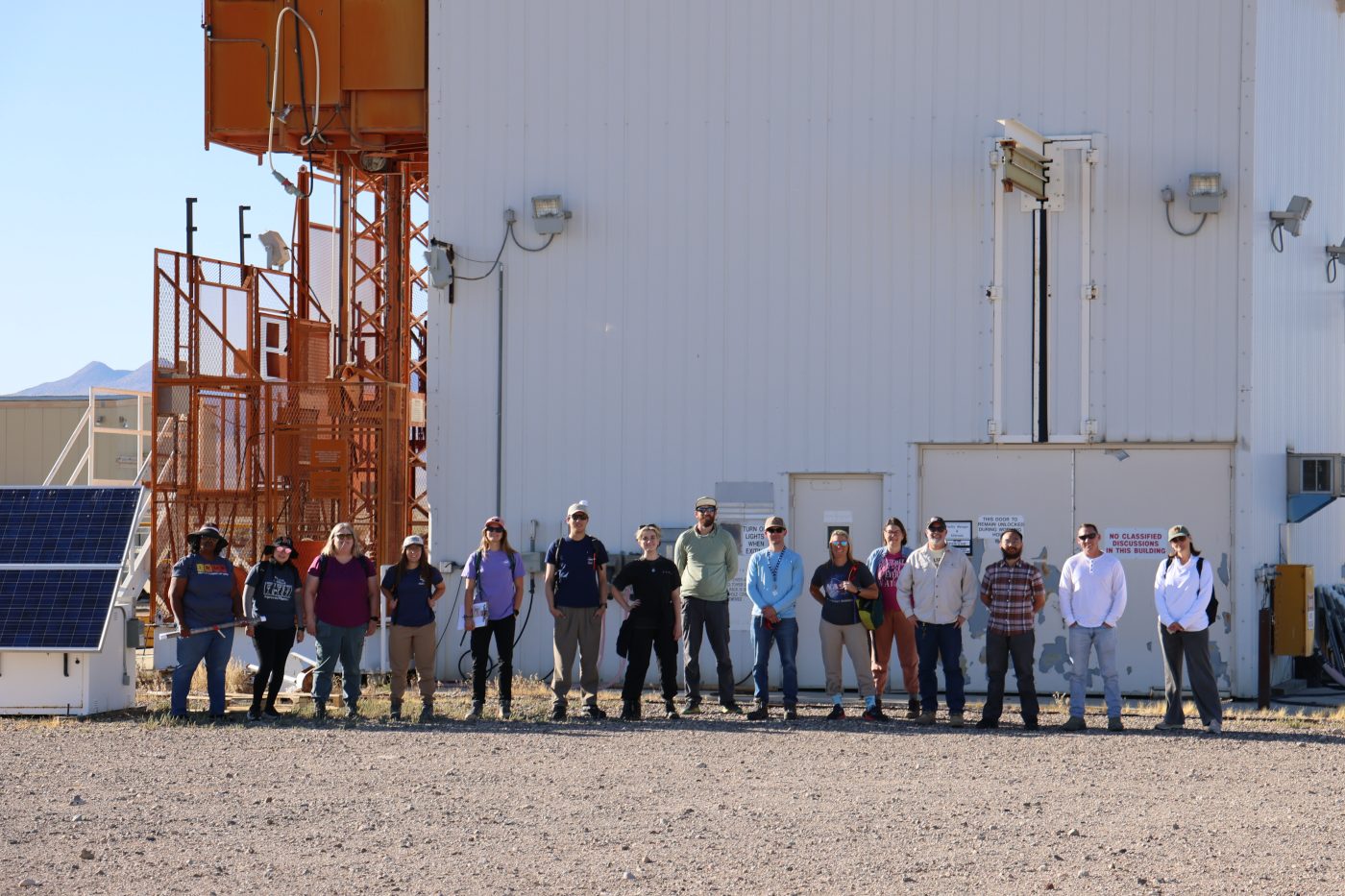
The Nevada National Security Site (NNSS) invited 12 Clark County School District (CCSD) STEM teachers and three Georgia Tech students to its Nevada Space Proving Grounds (NSPG) for an exclusive, hands-on run of the Lunar Surface Operations Course (LSOC). During this intensive three-day, two-night field course, participants underwent the exact same specialized training that NNSS scientists provide to NASA astronauts preparing for the Artemis IV mission. Organized in collaboration with the University of Nevada, Las Vegas (UNLV), this unique partnership showcases the NNSS’s commitment to Southern Nevada STEM educators—translating next-generation lunar science directly into local classrooms.
Bridging the classroom and the cosmos
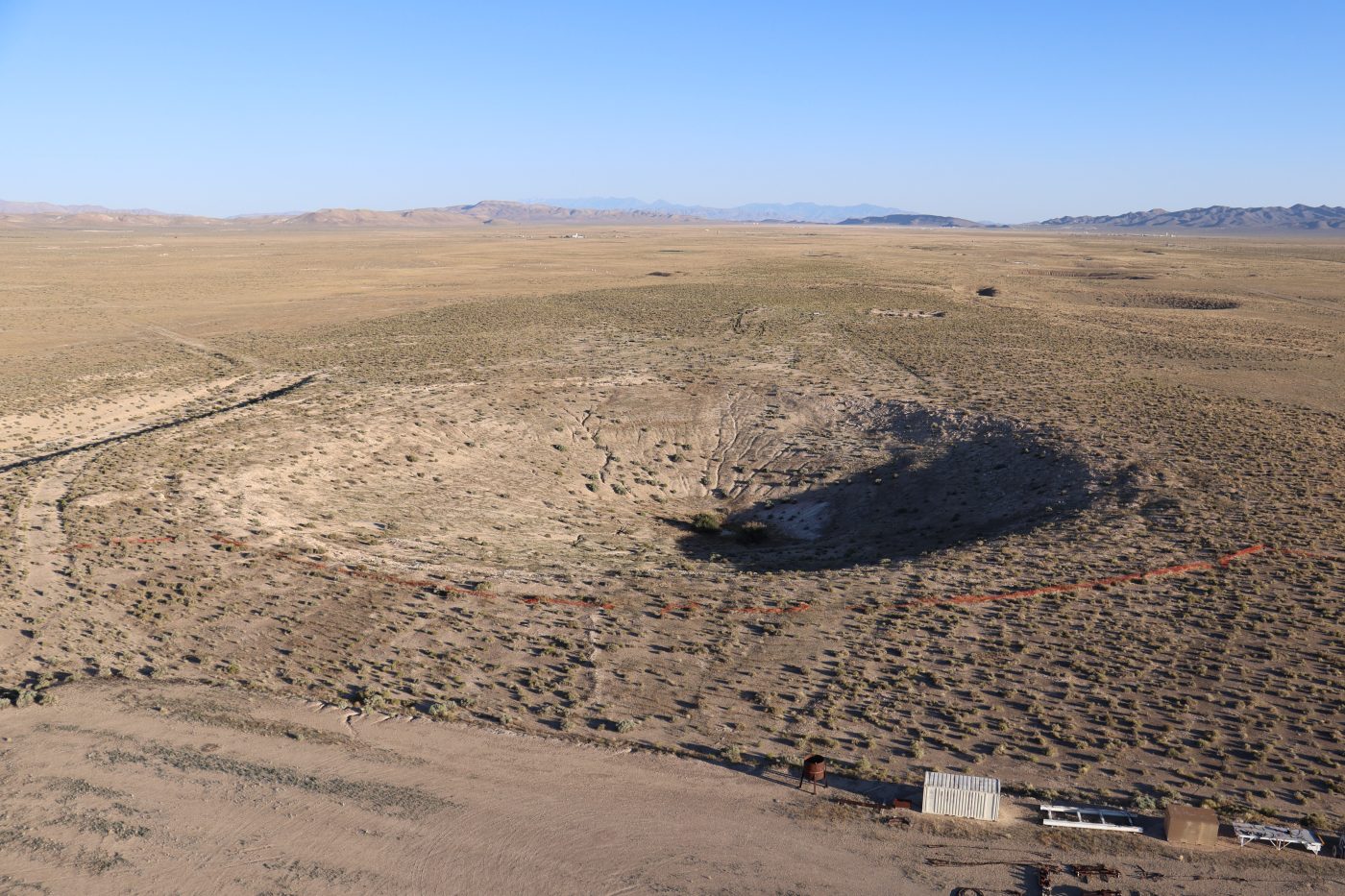
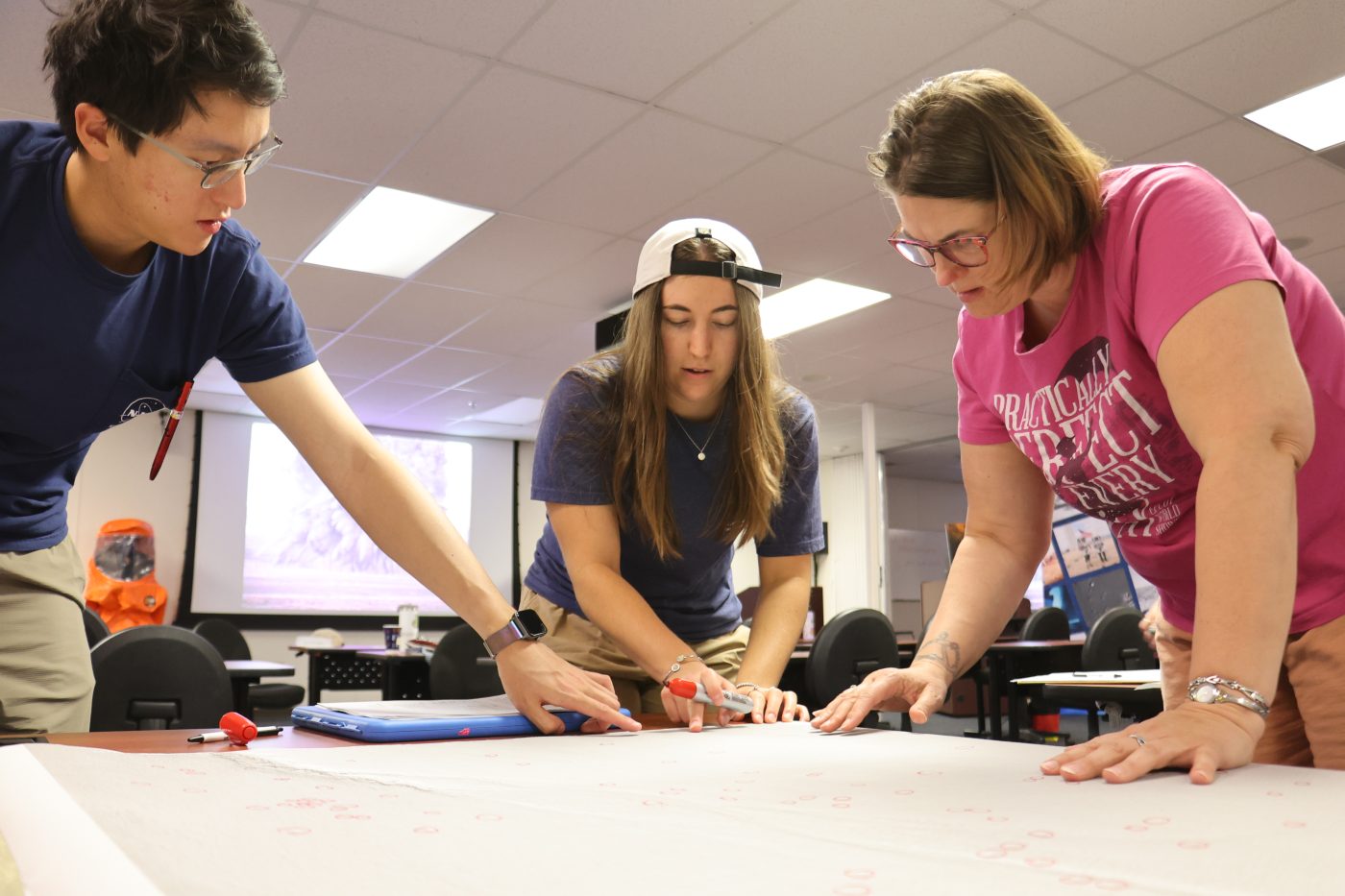
Developed by NNSS Principal Scientists Nick Downs and Bryan Eleogram over a period of two years, the LSOC is heavily experiential, featuring an approximate 80/20 split between field operations and classroom instruction. The participants hiked roughly two miles across rugged, rocky terrain and multiple craters, experiencing demanding physical environments that mirror lunar geological exploration.
Throughout the course, the teachers and university students engaged with the core objectives designed to prepare astronauts to conduct sound science on the moon. Key areas of focus included understanding different cratering styles, integrating remote sensing techniques into practical fieldwork, practicing sound sampling techniques and, of course, lunar navigation.
“We understand how important science education is,” said NNSS’ Kevin Reuwer, who helps administer the course. “And while this is a science education course very much designed for end user folks, we want to also incorporate teachers who are going to share what they learn here with their students—future astronauts.”
A look inside the three-day mission
The rigorous schedule kept the participants fully immersed in fieldwork, starting early each day and extending into the night to maximize their limited time, just like astronauts will do on the lunar surface. To minimize travel time—the Site is approximately 65 miles north of Las Vegas—course participants spent both nights in the NNSS dorms typically used by visiting scientists and officials.
Even boiled down to its basics, the schedule is intense. Days began at 5:30 a.m. and were filled with a mixture of classroom instruction, field exercises, and travel through some of the roughest terrain in the Site’s 1,360 square miles. Instruction continued late into the evening, with a night-time traverse into a crater lit only by the NNSS’ 800,000-lumen lunar lighting simulator, affectionately known as the “Lunar Dominator 800,000.”
“My favorite [experience] had to have been the night walk hike,” course participant Jennifer Phillips said. “It was just so cool seeing that. I’ve seen pictures, but to experience it, it’s like… oh wow, that’s what they’re going to see when they get to the moon.”
“For me, Schooner [crater] was just incredible,” said Bella Diedrich, another LSOC participant. “Learning about ejecta fields is really new to me and my understanding of the geology.”
On the third and final day, instructors and participants gathered for a course summary, feedback session and awards. The event concluded with a drive back to Las Vegas for a final dinner and social hour to celebrate and reflect on the experience.
Bringing space science back to classrooms
By stepping into the boots of astronauts, these educators and students are now equipped with firsthand geological, remote sensing and aerospace knowledge which they are excited to share with both students and other faculty. The NNSS and its partners are proud to help teachers and university students bring the excitement of the Artemis missions and real-world planetary science back to their classrooms, inspiring the next generation of scientists and explorers.