
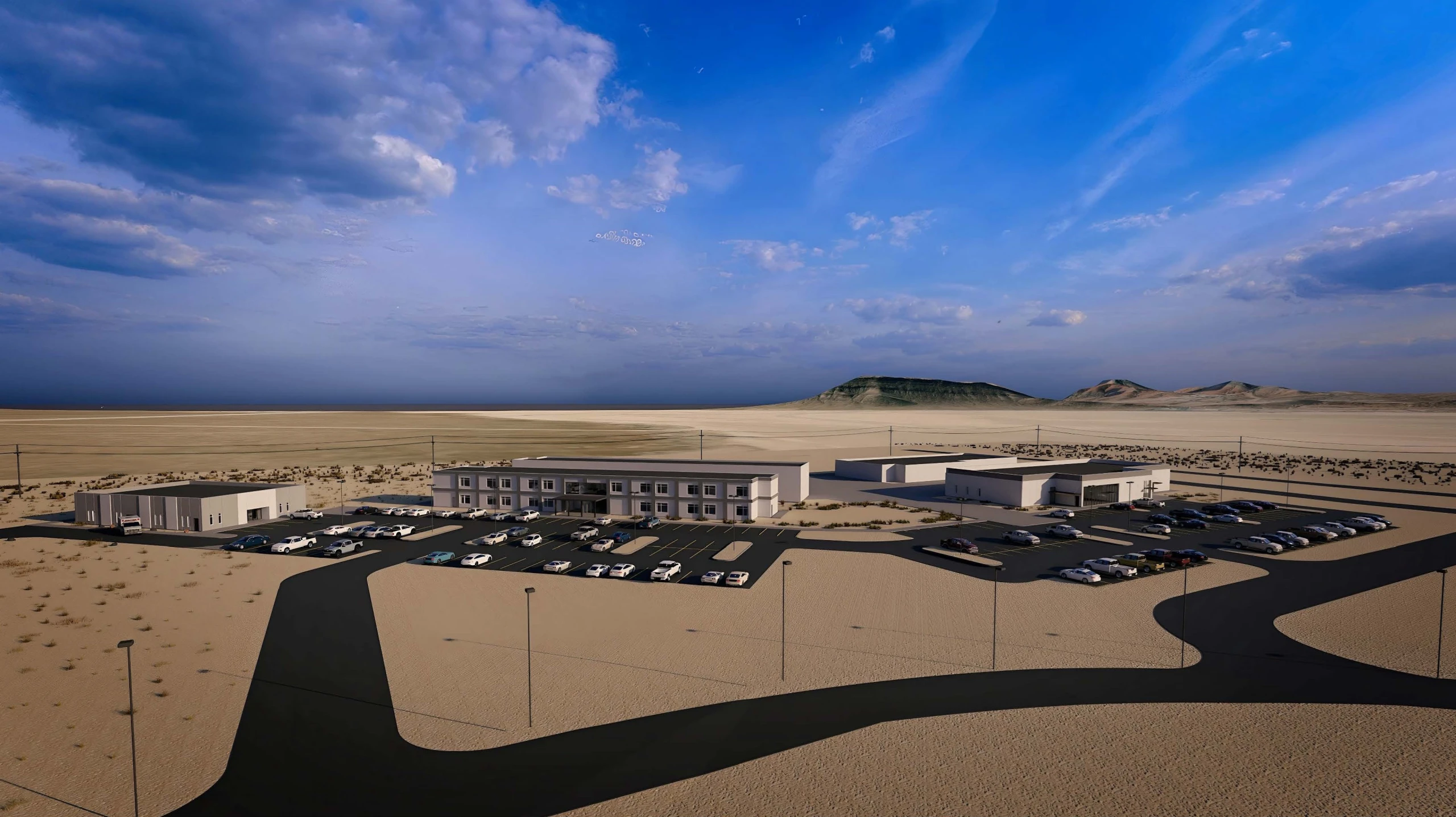
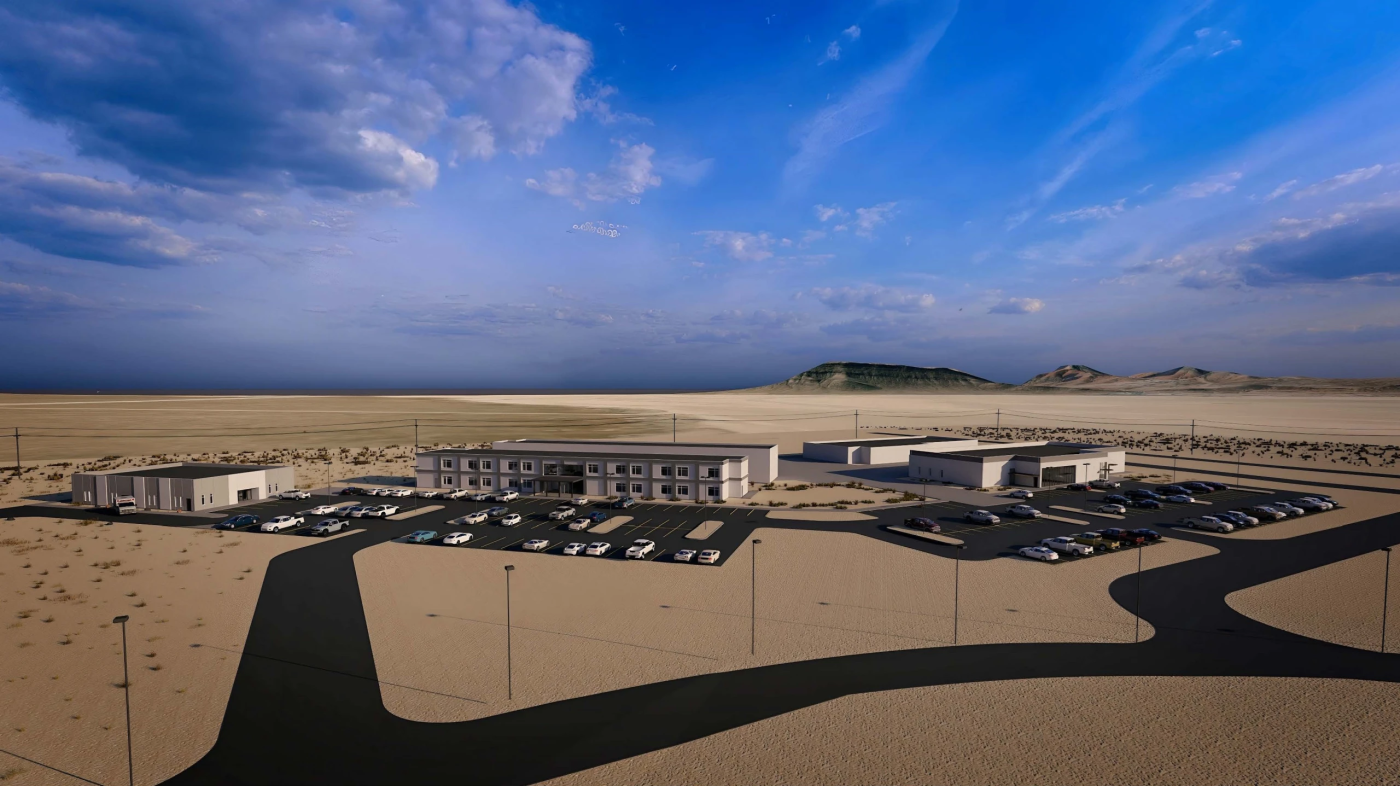
The Nevada National Security Sites (NNSS) is undergoing a comprehensive modernization effort, building upon its rich history of contributions to nuclear weapons stockpile management, national security and pioneering nuclear science. This transformation is more than physical infrastructure — it is a long-term investment in the capabilities needed to support our workforce and enable our mission for decades to come.
The NNSS’s modernization is focused on three interconnected elements: people, management processes and physical infrastructure. Together, these efforts are driving a renaissance designed to sustain our mission for the next 50+ years.
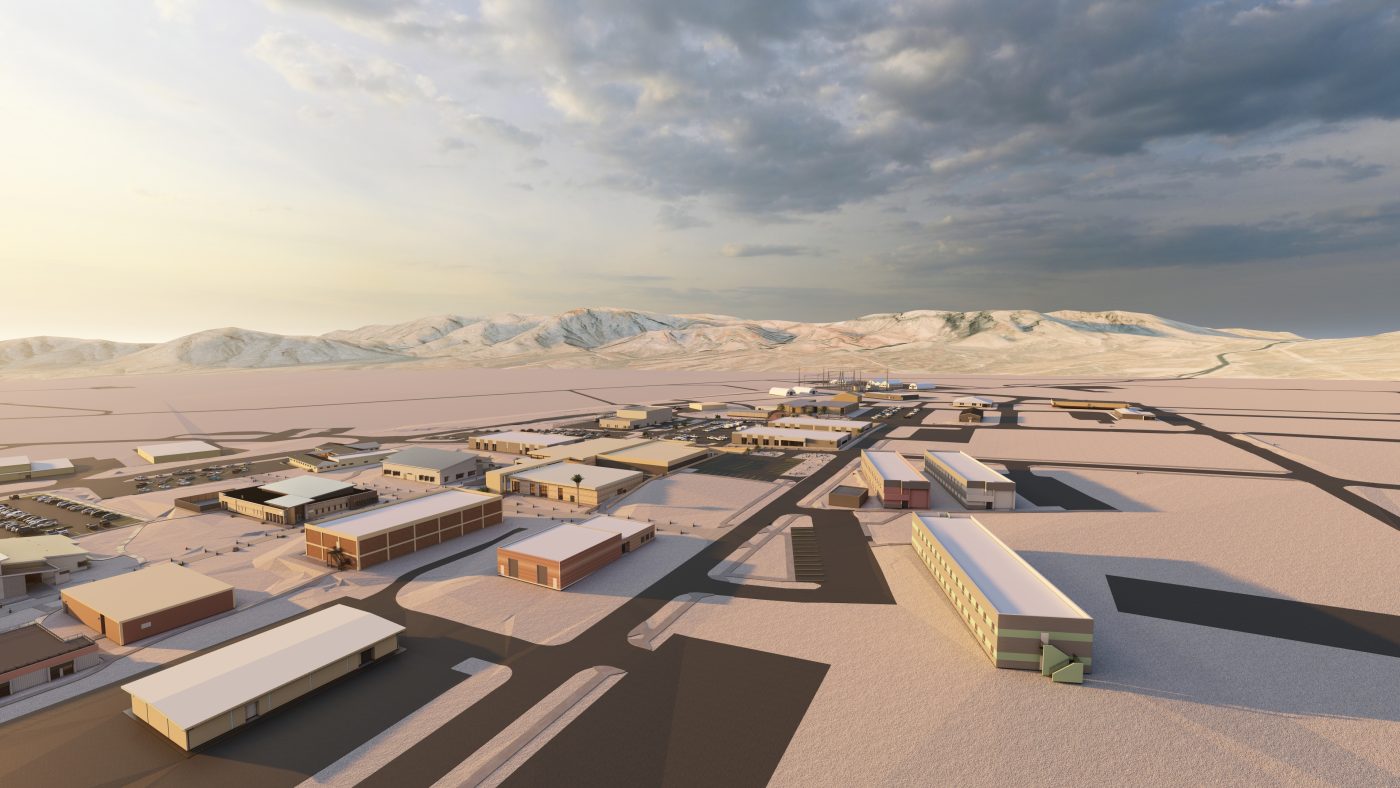
The most visible part of modernization is the transformation of the Site itself. With multiple new building projects, security improvements and key mission facility enhancement projects, the NNSS is actively transforming its infrastructure to meet future demands. This comprehensive program spans the entire NNSS, supporting all its missions by replacing outdated and aged infrastructure with innovative, energy-efficient and modernized facilities and supporting infrastructure such as power, water, communications and roads. Modernization projects are specifically tailored to support National Nuclear Security Administration (NNSA) mission-program needs, streamline services, enhance security and accelerate scientific and technological advancements.
“Modernization at this scale is only possible through strong partnerships,” said NNSS Enterprise Infrastructure Programs Director Jacob Huffines. “By working in close coordination with NNSA, collaborating with our laboratory partners and leveraging industry expertise, we are delivering facilities that are safe, more resilient and purpose-built.”
While the modernization program touches all facets of the NNSS, current expansion efforts are strategically concentrated in key areas including the Mercury campus, PULSE and the Device Assembly Facility (DAF).
The Mercury Modernization Plan includes demolition of aging infrastructure, construction of ten new buildings, creation of a walking campus, a new cafeteria and expansion of solar energy production. Construction is expected to be completed in 2030.
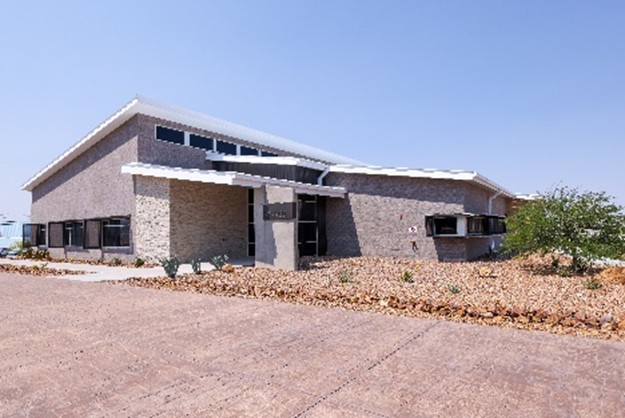
Building 23-460 was the first building constructed in Mercury since 2010. This building served as a prototype for the NNSA’s Standardized Acquisition and Recapitalization (STAR) initiative. Standardized designs are a cost-effective strategy to accelerate modernization and enable new construction at the Site.
One of seven additional buildings planned in Mercury, construction on the Mercury Laboratory Support and Site Services Facility will begin in 2026. This will be the next use of the standard ProtoSTAR design concept first constructed at PULSE.
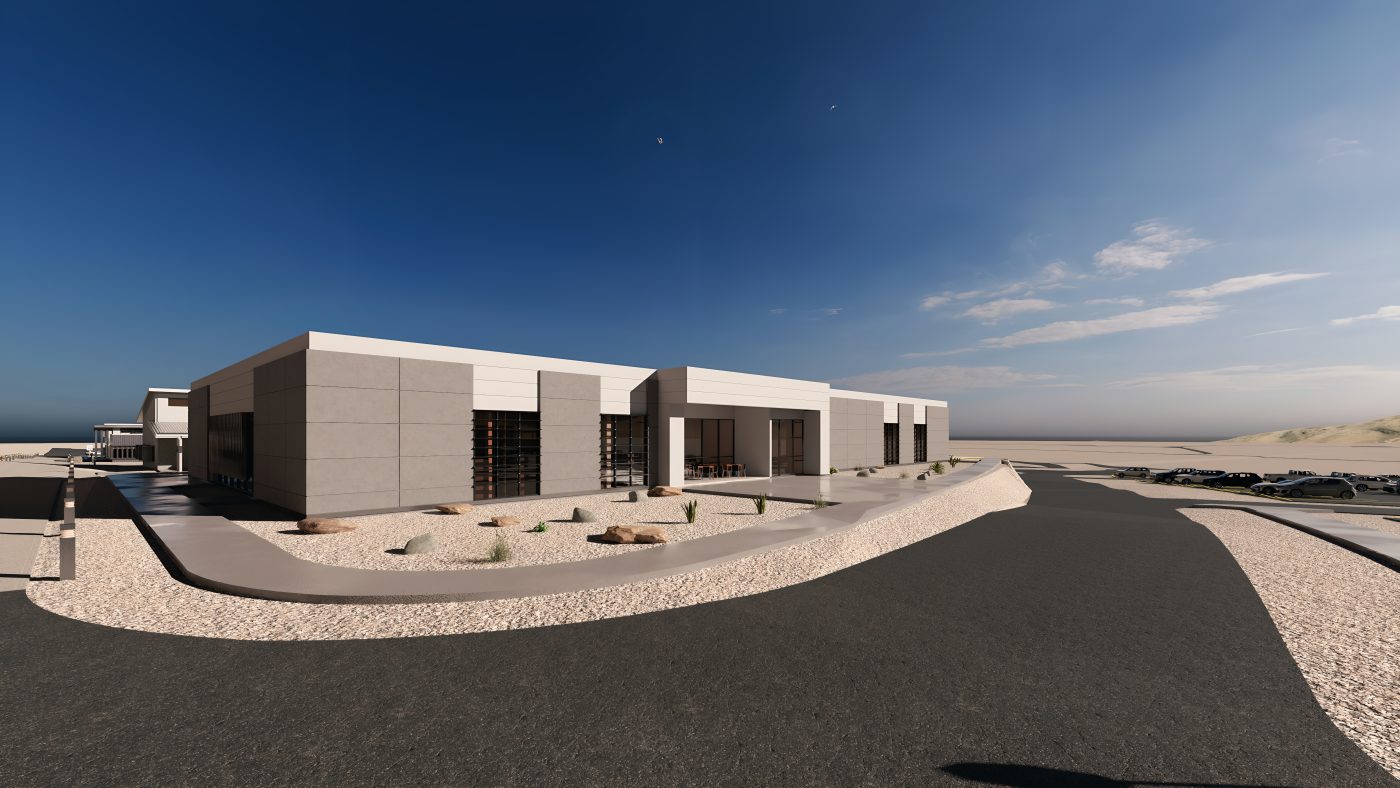
Similarly, at the DAF, modernization efforts are underway to support the rapidly growing subcritical experiment program, nuclear material management, stockpile surveillance and the National Criticality Experiments Research Center.
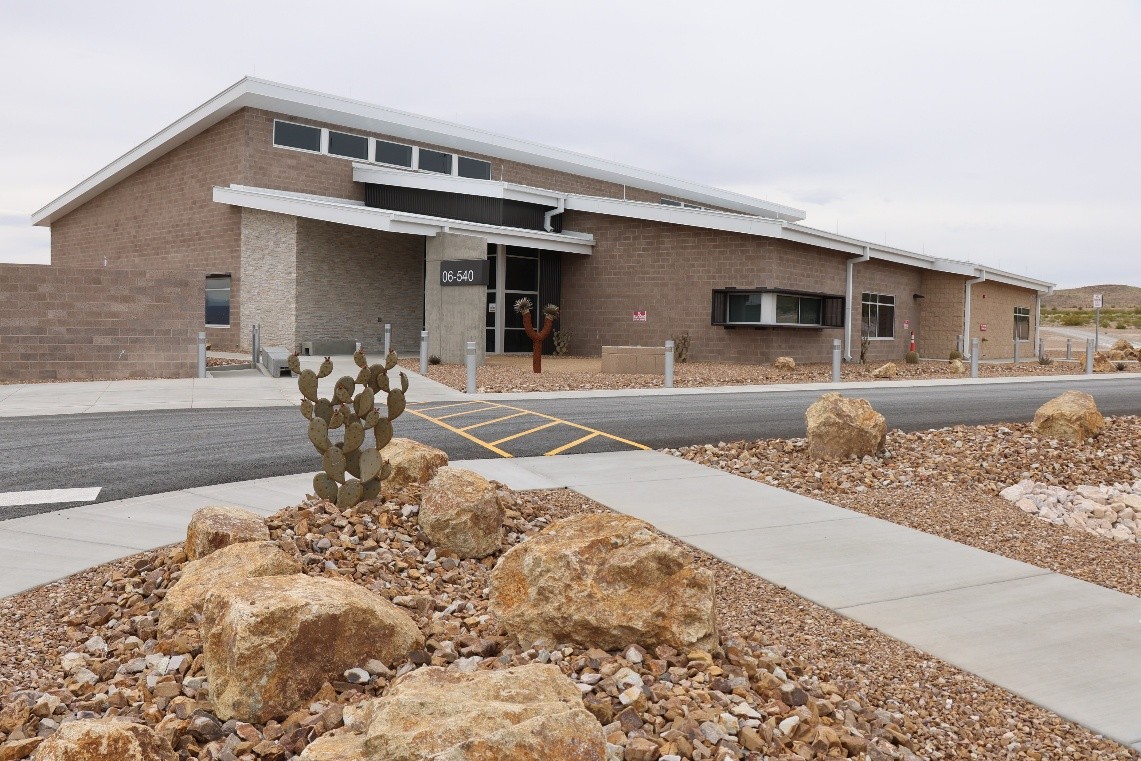
The DAF Operations Support Facility was completed in 2025, the fourth STAR design used at the NNSS.
Design of the DAF Engineering and Maintenance Facility was completed in record time due to its use of the STAR design. The building is set to be operational in Spring 2027.
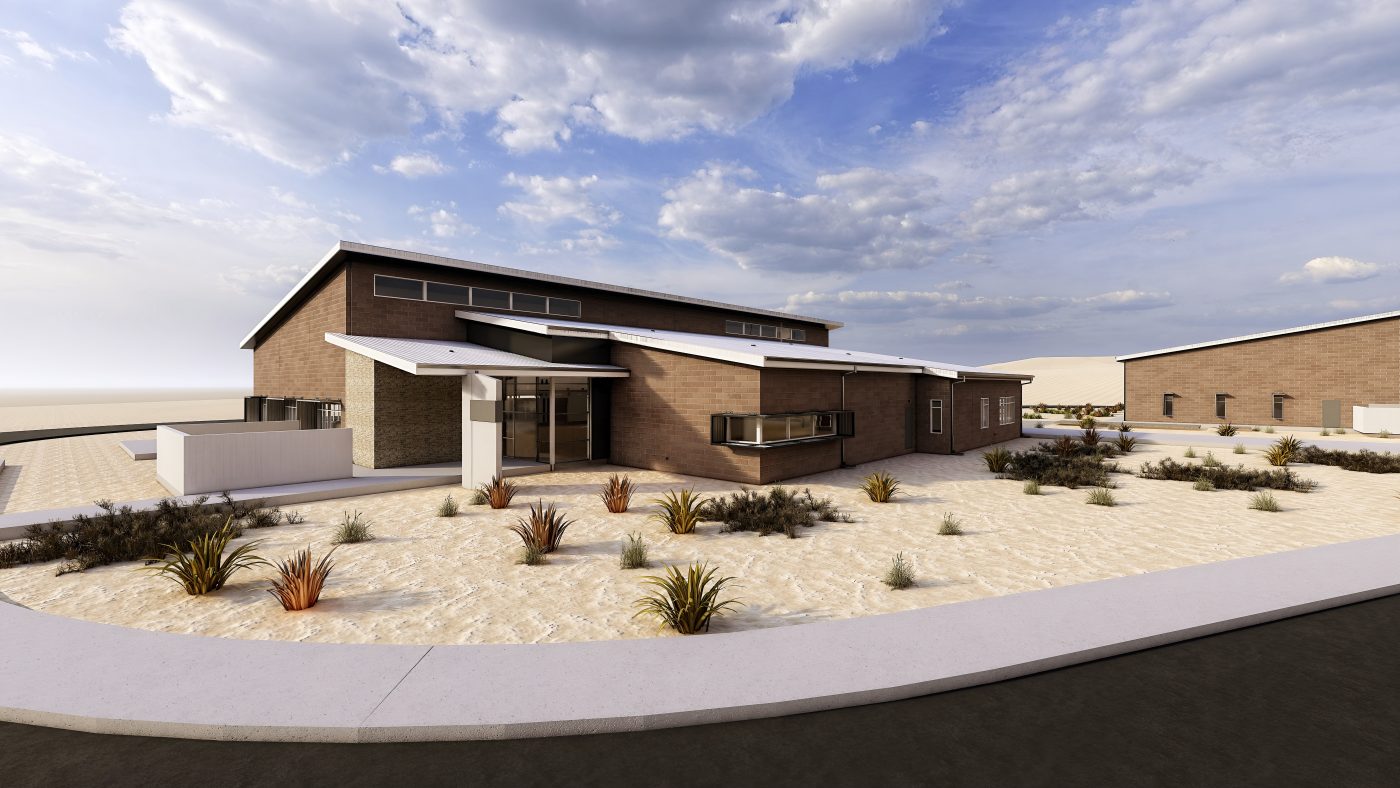
PULSE is experiencing rapid mission growth, and the NNSS is delivering with multiple modernization projects underway. Two facilities have been completed, three more are in development, and the NNSS recently broke ground on the Forward Area Mission Complex (FAMC). The FAMC will provide essential support services including a cafeteria, dormitories, industrial hygiene, medical, IT, administrative and training facilities, and will be ideally located to maximize productivity and innovation.
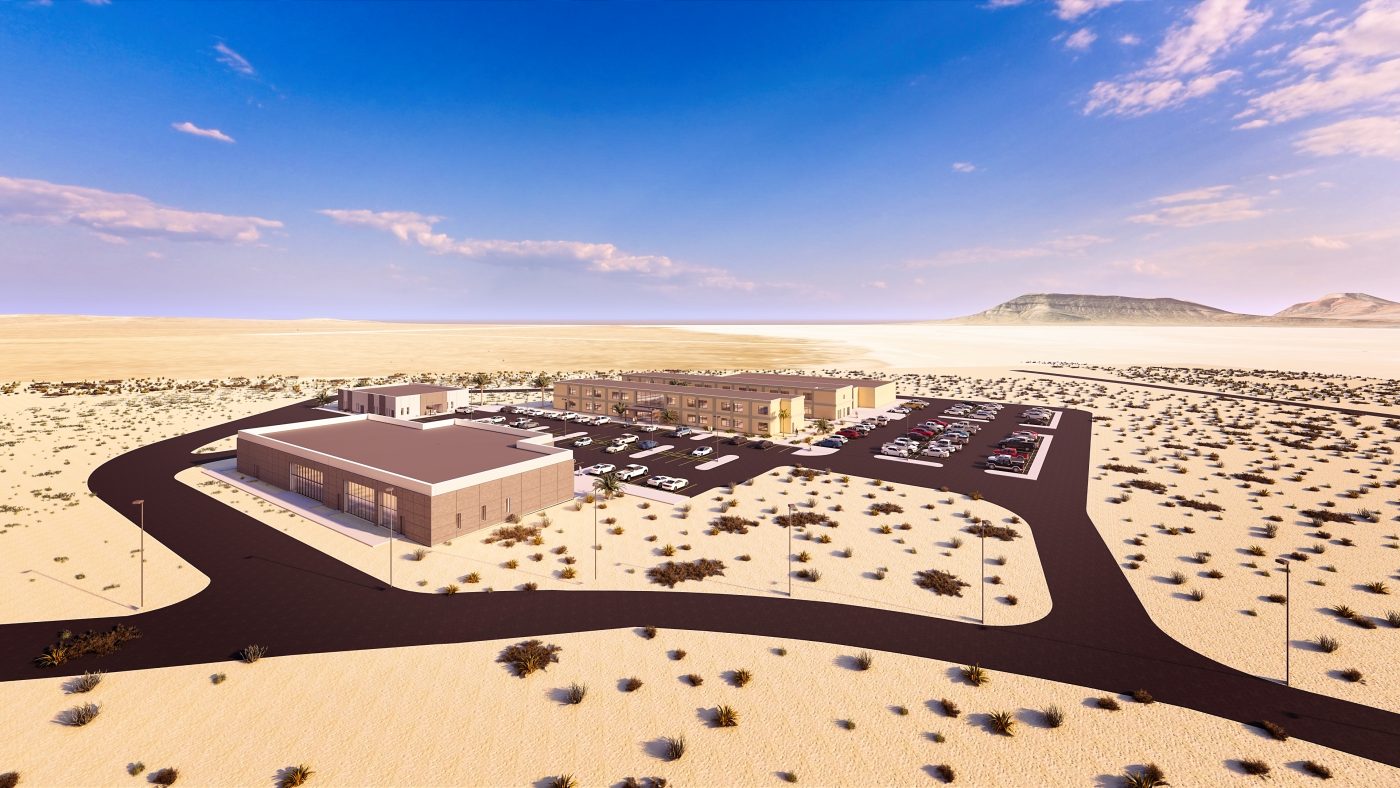
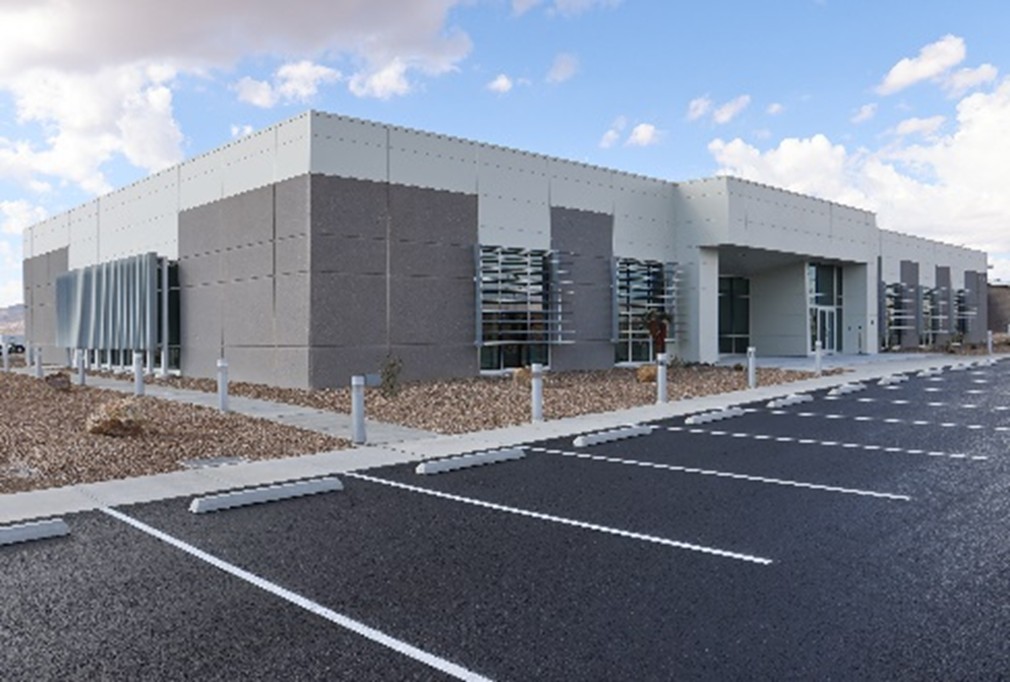
The PULSE Operations Support Facility was completed in 2025. This first-of-a-kind ProtoSTAR facility adopts NNSA’s multi-site building concept. Several more ProtoSTAR facilities are in the planning phase and will soon be under construction at the Site.
Through deliberate investments in people, processes and infrastructure, the NNSS is ensuring it has both the agility and stability to support a modern workforce and evolving missions in support of national security, today and in the future.